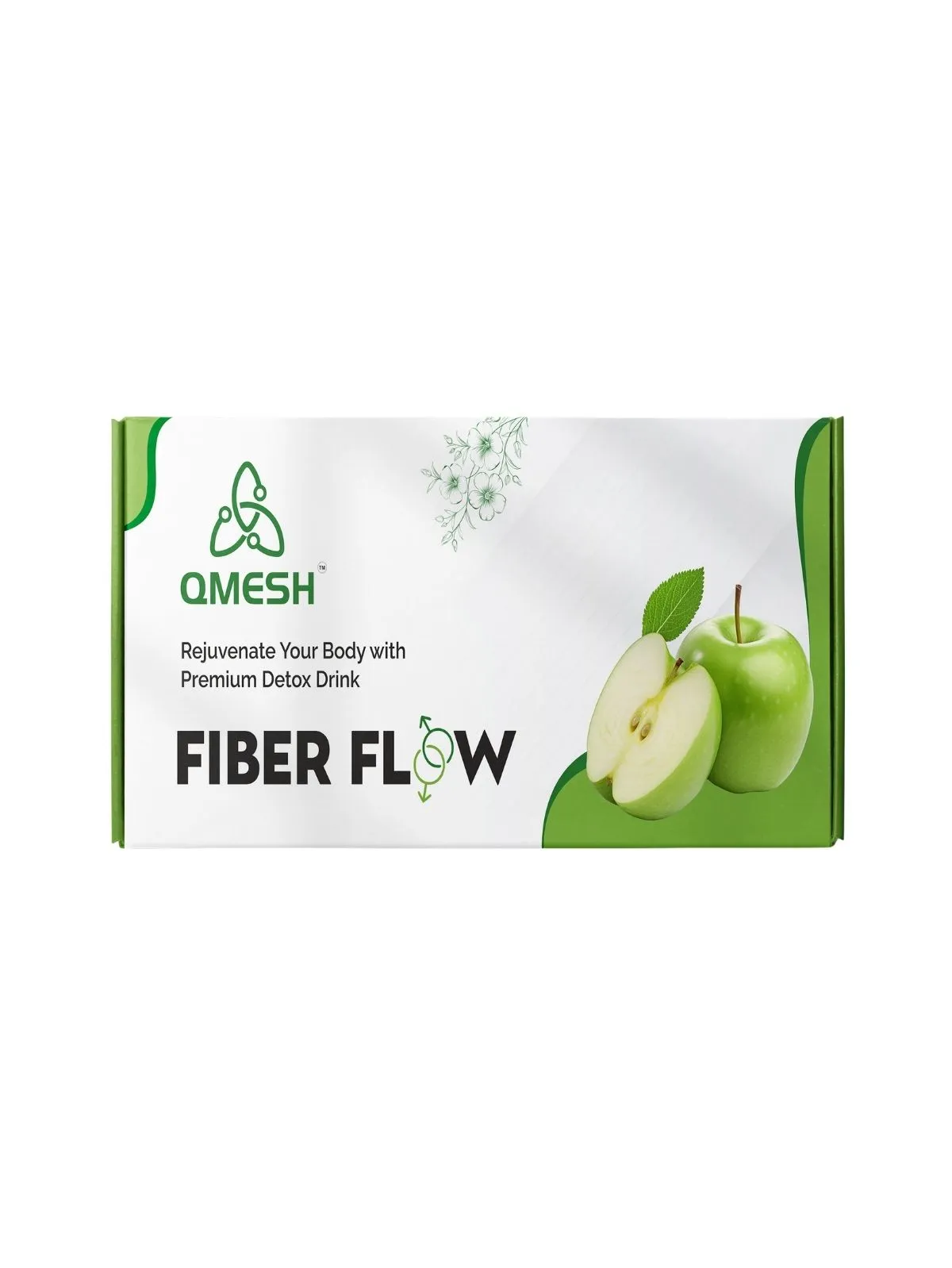

Gut health has become one of the most important aspects of overall wellness. In recent years, researchers and health experts have increasingly emphasized the role of the gut in maintaining energy levels, digestion, immune function, and even mood. Your digestive system is home to trillions of microorganisms, often referred to as the gut microbiome, which plays a key role in how your body processes nutrients and supports overall health.
When the gut microbiome is balanced, it helps the body function efficiently. However, factors such as poor diet, stress, lack of sleep, and sedentary lifestyles can disrupt this balance. Supporting gut health through daily habits can help promote better digestion, nutrient absorption, and overall wellness.
Understanding the Gut Microbiome
The gut microbiome consists of beneficial bacteria, fungi, and other microorganisms that live in your digestive tract. These microbes assist in breaking down food, producing essential nutrients, and maintaining the health of the digestive system. A balanced microbiome helps the body absorb vitamins and minerals more effectively while supporting digestive comfort.
When the microbiome becomes imbalanced, it may lead to digestive discomfort such as bloating, irregular digestion, or general stomach discomfort. Maintaining a healthy balance of beneficial bacteria is therefore essential for long-term digestive wellness.
Importance of a Balanced Diet
One of the most effective ways to support gut health is by maintaining a balanced and nutritious diet. Foods rich in fiber, fruits, vegetables, and whole grains provide essential nutrients that help support the growth of beneficial gut bacteria.
Fermented foods such as yogurt, kefir, and certain fermented vegetables also contain naturally occurring probiotics that can help maintain microbiome balance. These foods provide beneficial bacteria that may support digestive comfort and gut health when included as part of a balanced diet.
Staying Hydrated
Hydration is another simple but essential factor in maintaining digestive health. Drinking enough water throughout the day supports the digestive process and helps the body break down nutrients more effectively. Adequate hydration also supports normal bowel movements and helps maintain digestive comfort.
Water helps fiber move through the digestive system smoothly, making hydration an important partner to a fiber-rich diet.
Managing Stress and Lifestyle Factors
Modern lifestyles can sometimes place additional pressure on the digestive system. High stress levels, irregular sleep schedules, and sedentary habits may influence digestive comfort and overall wellness.
Incorporating simple daily habits such as regular physical activity, mindfulness practices, and adequate sleep can positively influence digestive health. Exercise supports normal digestive function and encourages overall metabolic balance.
Taking time to relax, manage stress, and maintain a healthy lifestyle can have a significant impact on gut wellness.
Role of Supplements in Daily Wellness
While a balanced diet and healthy lifestyle are essential foundations, some individuals choose to incorporate nutritional supplements into their wellness routine. Certain supplements may include probiotics, dietary fibers, and botanical extracts designed to support digestive balance and overall gut wellness.
Probiotic supplements, for example, may contain beneficial bacterial strains that help maintain microbiome balance. Fiber-based supplements may also support digestive comfort and help maintain normal bowel regularity when used alongside a healthy diet.
Supplements are intended to support daily nutrition and wellness rather than replace a balanced diet.
Building Healthy Daily Habits
Supporting gut health does not require complex changes. Small daily habits can make a meaningful difference over time. Maintaining a balanced diet, staying hydrated, managing stress, and prioritizing sleep can help support digestive balance and overall wellness.
Consistency is often the key to maintaining long-term digestive health. When healthy habits become part of a daily routine, they contribute to better overall wellness and improved lifestyle balance.
Conclusion
Gut health plays a central role in overall well-being. By focusing on simple daily habits such as balanced nutrition, hydration, regular activity, and mindful lifestyle choices, individuals can support digestive comfort and maintain a healthier lifestyle.
Understanding the importance of the gut microbiome and nurturing it through everyday wellness practices may help promote better digestion, improved nutrient absorption, and long-term wellness support.