
Digestive wellness plays a vital role in maintaining overall health and daily vitality. One of the most important yet often overlooked nutrients that supports digestive health is dietary fiber. Fiber contributes to maintaining digestive comfort, supporting gut balance, and helping the body maintain natural digestive processes.
In modern lifestyles where processed foods and low-fiber diets are common, many people do not consume enough dietary fiber. Understanding how fiber works and how it supports digestive wellness can help individuals make better choices for maintaining long-term gut health.
What Is Dietary Fiber?
Dietary fiber is a type of carbohydrate found in plant-based foods that the body cannot fully digest. Unlike other nutrients, fiber passes through the digestive system relatively intact while supporting several important digestive functions.
Fiber helps support digestive balance by adding bulk to the digestive system and assisting the natural movement of food through the intestines. It also helps maintain bowel regularity and contributes to overall digestive comfort.
There are two primary types of dietary fiber that support digestive wellness.
Soluble fiber dissolves in water and forms a gel-like substance during digestion. This type of fiber can be found in foods such as oats, fruits, beans, and certain vegetables.
Insoluble fiber, on the other hand, does not dissolve in water and helps add bulk to digestive waste. It is commonly found in whole grains, seeds, and vegetables.
Both types of fiber play a role in supporting healthy digestion.
Fiber and Gut Microbiome Balance
Fiber also plays an important role in supporting the gut microbiome, which is the collection of beneficial bacteria living in the digestive system. Certain types of fiber act as prebiotics, meaning they serve as nourishment for beneficial gut bacteria.
When beneficial bacteria are supported through proper nutrition, they help maintain a balanced digestive environment. A healthy microbiome contributes to efficient digestion and improved nutrient absorption.
Foods rich in natural fiber help create a favorable environment for beneficial bacteria to thrive.
Supporting Natural Digestive Detox
The digestive system has its own natural processes that help remove waste and maintain internal balance. Fiber contributes to this process by supporting regular bowel movements and helping maintain digestive flow.
A diet rich in fiber can assist the body’s natural detoxification processes by helping waste move through the digestive tract efficiently. When combined with adequate hydration, fiber helps support digestive comfort and regularity.
It is important to remember that the body naturally manages detoxification through organs such as the liver and digestive system. Fiber helps support these processes by maintaining normal digestive function.
Common Sources of Fiber
Many natural foods contain dietary fiber that supports digestive wellness. Some common fiber-rich foods include:
- Whole grains such as oats and brown rice
- Fruits such as apples, pears, and berries
- Vegetables including broccoli, carrots, and leafy greens
- Seeds and legumes such as chia seeds, flaxseeds, and lentils
Including a variety of these foods in daily meals helps increase fiber intake and supports digestive health.
However, some individuals may find it difficult to consume enough fiber through diet alone. Busy lifestyles, irregular eating habits, or limited access to fresh foods can sometimes result in lower fiber consumption.
Role of Fiber Supplements
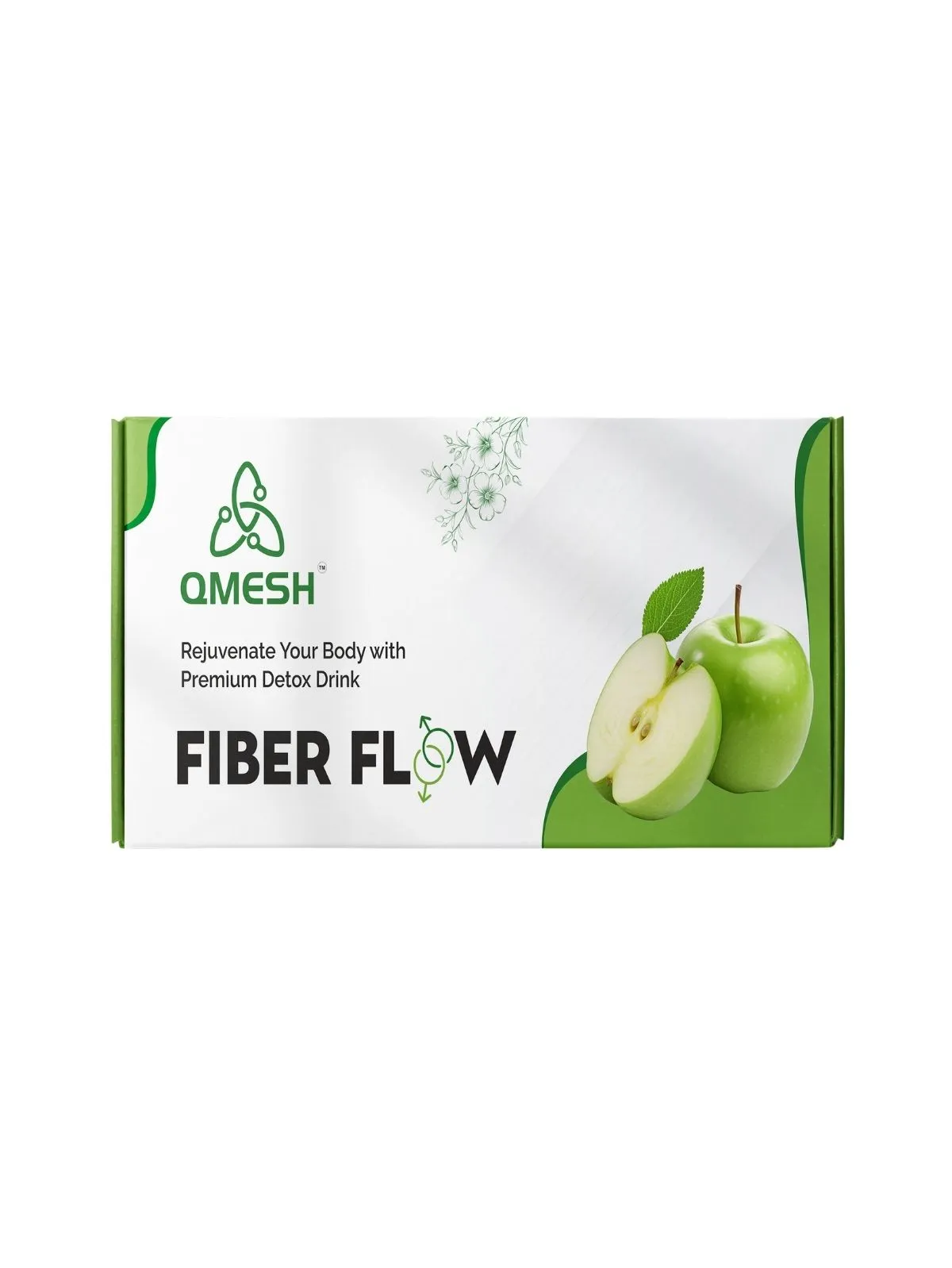
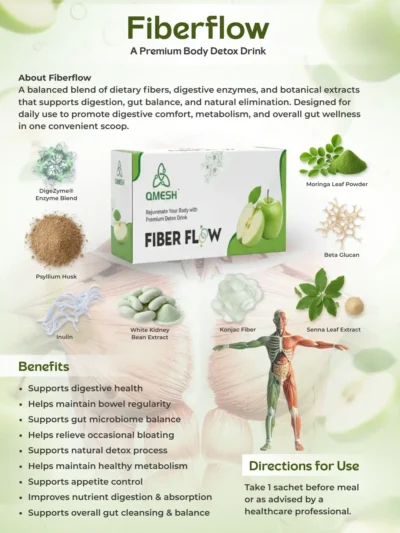
In addition to dietary sources, fiber supplements may be used as part of a wellness routine to help support digestive balance. Fiber-based supplements often contain ingredients such as psyllium husk, inulin, or plant-based fibers that help support digestive comfort and regularity.
When used alongside a balanced diet and healthy lifestyle, fiber supplements may assist individuals in maintaining their daily fiber intake.
It is important to follow recommended usage instructions and maintain adequate hydration when incorporating fiber supplements.
Building Healthy Digestive Habits
Maintaining digestive wellness involves a combination of healthy habits. Along with fiber intake, hydration plays a key role in supporting digestive processes. Drinking sufficient water helps fiber move smoothly through the digestive system.
Regular physical activity also supports digestion by encouraging natural movement within the digestive tract.
Making gradual dietary changes, increasing fiber intake slowly, and maintaining balanced nutrition can help the body adjust comfortably.
Conclusion
Fiber is an essential component of digestive wellness. By supporting bowel regularity, nourishing beneficial gut bacteria, and contributing to the body’s natural digestive processes, fiber helps maintain a balanced and healthy digestive system.
Incorporating fiber-rich foods, maintaining hydration, and supporting digestive health through balanced nutrition can help individuals promote long-term wellness and digestive comfort.
Understanding the importance of dietary fiber allows individuals to make informed choices that support gut health and overall vitality.